Mission Problems
The mission barrier is rarely invention alone.
Advanced technology stalls when research, architecture, integration, assurance, test, deployment, and sustainment are treated as separate problems. Name the barrier first, then follow it to the disciplines and methods that address it.
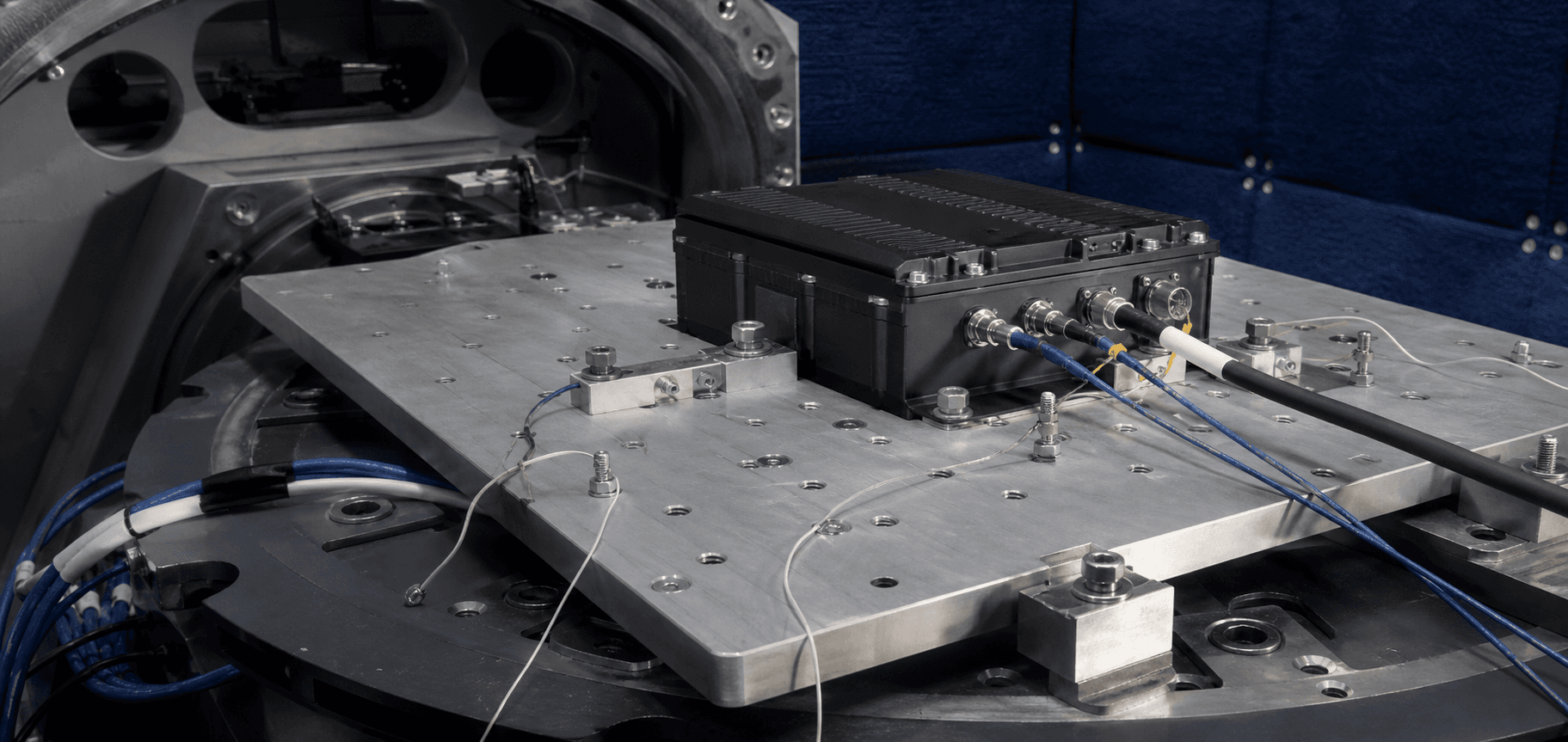
Problem architecture
One capability, many coupled barriers
These are recurring patterns behind stalled mission technology programs. Each one connects directly to the disciplines and methods that address it.
Problem 01
Research stalls before operational use
A successful research result is a starting artifact. Mission fit, architecture, integration, verification, deployment, and sustainment remain to be engineered before anyone can rely on it.
Problem 02
Integrating into constrained systems
The capability must fit the system that exists: interfaces, hardware, timing, data, assurance obligations, security boundaries, test infrastructure, and sustainment commitments. Integration risk lives at those boundaries.
Problem 03
Modernizing without breaking the baseline
Legacy mission software carries obligations the modernization must preserve. Stable boundaries and replaceable components let programs modernize incrementally instead of betting everything on a rewrite. Go deeper with the MOSA approach and Software Engineering & Modernization.
Problem 04
Building evidence into the software
Assurance added after the fact is expensive and weak. State the property, boundary, and required evidence first, then select methods proportionate to consequence. Explore Risk-Based Technical Assurance.
Lifecycle continuity
The barriers compound when the lifecycle is discontinuous
Requirements, models, code, tests, evidence, and configuration drift apart when each phase starts over. Digital and model-based engineering keeps decisions connected to evidence across the lifecycle.
Sector context
Where these problems show up
- DefenseMission integration, cryptographic and cyber boundaries, modernization, test, and sustainment constraints in defense programs.
- Intelligence CommunityHigh-assurance software, cryptographic and cyber boundaries, classified integration, and evidence under mission-specific security constraints.
- Government R&DMoving funded research through prototype, demonstration, evidence, and a credible transition decision.
- AerospaceEmbedded, real-time, assurance, and lifecycle constraints for platform and mission-system software.
Work and evidence
From problem to evidence
Next step
Explore a relevant capability
Start with the discipline closest to your technical need and follow it through methods, deliverables, and evidence.
Do not include classified, controlled, proprietary, export-controlled, or customer-sensitive information in any message sent through this site.