What We Deliver
Four disciplines, one system a mission can rely on.
High-assurance software-enabled mission systems combine cryptographic, cybersecurity, software, and systems engineering with explicit architecture, interfaces, hardware, assurance, test, deployment, and sustainment boundaries.
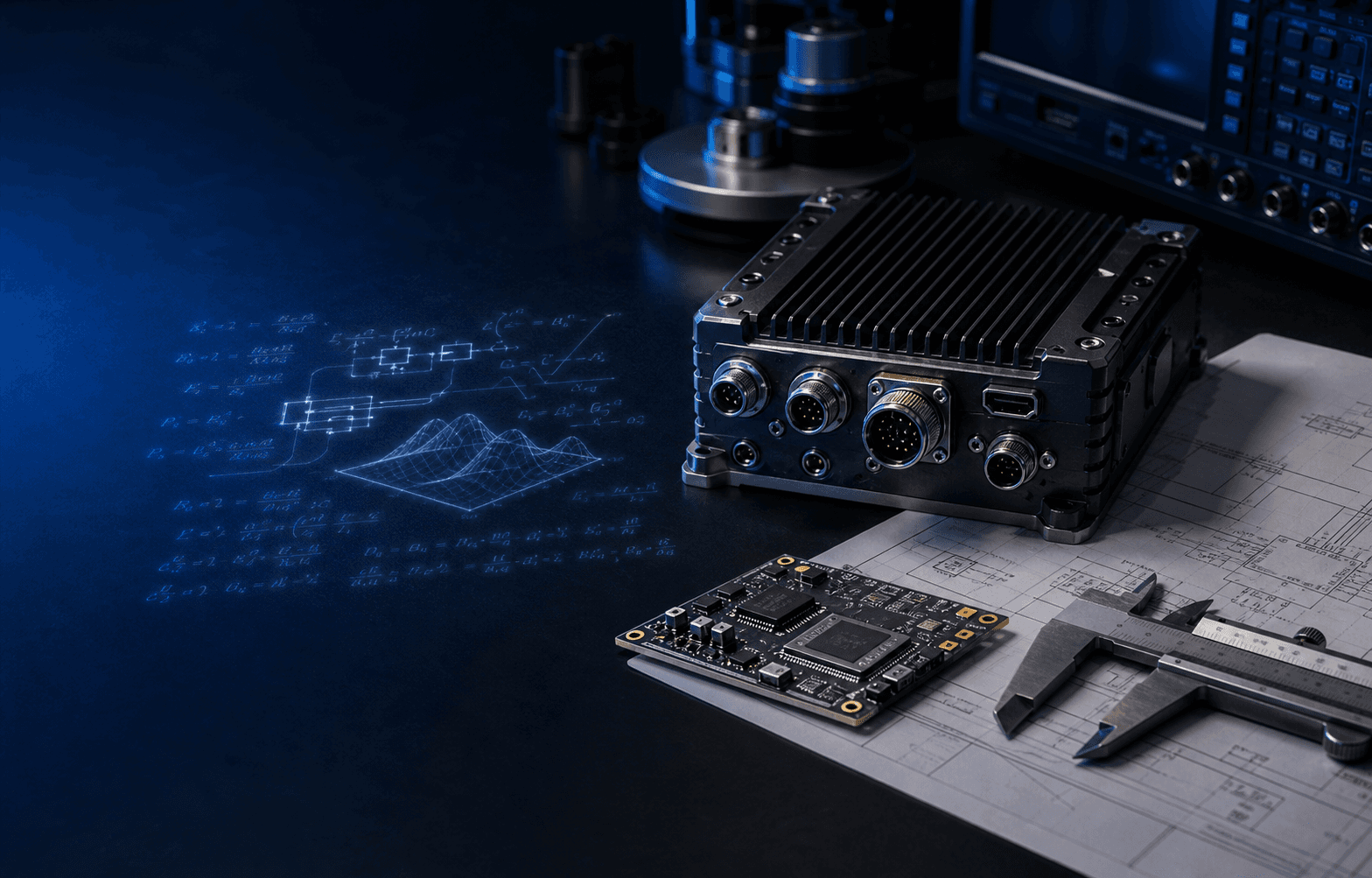
Definition
What the category means, term by term
High-assurance
Evidence proportionate to consequence
Critical properties are stated with boundaries, and the evidence (proof, analysis, test, review) matches the mission consequence of failure.
Software-enabled
Capability delivered through software
Mission capability lives substantially in software that can be modernized, tested, and upgraded against the hardware, timing, and interface constraints of the system that carries it.
Mission systems
Integrated, operated, sustained
Integrated systems have defined boundaries, deployment context, operators, configuration, and a sustainment model.
Contributing disciplines
All four disciplines, one system
Cryptographic, cybersecurity, software, and systems engineering contribute different technical depth to the same mission-system outcome.
- Cryptographic EngineeringConnects algorithm and key-management decisions to implementation, assurance, agility, embedded constraints, and lifecycle transition.
- Cybersecurity EngineeringIntegrates threat, architecture, software, components, evidence, and lifecycle decisions within a defined system boundary.
- Software Engineering & ModernizationMission-software and lifecycle engineering: architecture, modernization, DevSecOps, automated testing, assurance, migration, and incremental delivery.
- Systems Engineering & IntegrationConnects mission needs to architecture, embedded systems, interfaces, digital models, hardware-software integration, test, and lifecycle decisions.
Named relationships
How the disciplines combine
These relationships name recurring combinations of engineering work that connect the four disciplines.
Applied Cryptographic Assurance
Cryptographic + Cybersecurity
Cryptographic implementation decisions evaluated within the system's security architecture and evidence needs.
Cryptographic Modernization
Cryptographic + Software
Updating cryptographic implementations and dependencies as part of software modernization, without breaking the mission baseline.
Embedded & Crypto-Agile Systems
Cryptographic + Systems
Cryptographic capability engineered into embedded and resource-constrained systems with planned algorithm transition paths.
Secure Software Modernization
Cybersecurity + Software
Modernizing mission software while preserving and improving its security architecture, assurance evidence, and authorization posture.
Cyber-Resilient System Architecture
Cybersecurity + Systems
System boundaries, interfaces, and components engineered so the system can withstand, contain, and recover from cyber effects.
Modular Open Systems Integration
Software + Systems
Software and system boundaries engineered for replaceable components, defined interfaces, and conformance evidence.
Assured Cryptographic Software
Cryptographic + Cybersecurity + Software
Cryptographic software engineered, modernized, and assured against defined properties within a security architecture.
High-Assurance Cryptographic Platforms
Cryptographic + Cybersecurity + Systems
Platforms whose cryptographic and security architecture is engineered and assured as part of the integrated system.
Crypto-Agile Mission Systems
Cryptographic + Software + Systems
Mission systems whose software and system architecture support cryptographic replacement and transition over the lifecycle.
Secure Modular Mission Software
Cybersecurity + Software + Systems
Modular mission software engineered with explicit security boundaries, interfaces, and assurance evidence.
System properties
What an instance makes explicit
Integration, assurance, modularity, deployment, and sustainment boundaries must be explicit enough to test and govern.
Integration boundaries
Software, hardware, data, and interface boundaries defined as contracts, with conformance evidence at governed interfaces.
Assurance case
Critical properties stated with boundaries; methods selected by risk; results carrying coverage, limitations, and residual uncertainty.
Modularity and interoperability
Stable boundaries and replaceable components where the lifecycle demands them; interoperability defined by contract and tested by conformance.
Deployment and sustainment model
A named operational boundary, configuration and provenance records, and an upgrade path with an owner.
Evidence for each system
Specific systems carry specific evidence
A prototype, baseline, demonstration, or fielded capability is stated with its evidence state, environment, attribution, result, and limitations.
Next step
Discuss the mission-system boundary
Start with the mission problem, the interfaces that constrain it, and the evidence the accepting authority will require.
Do not include classified, controlled, proprietary, export-controlled, or customer-sensitive information in any message sent through this site.