Mission problem
The mission environment defines the integration problem.
The capability must fit the system that exists: interfaces, hardware, timing, data, assurance, security boundaries, test infrastructure, and sustainment obligations. Making those constraints explicit early is how integration risk is reduced.
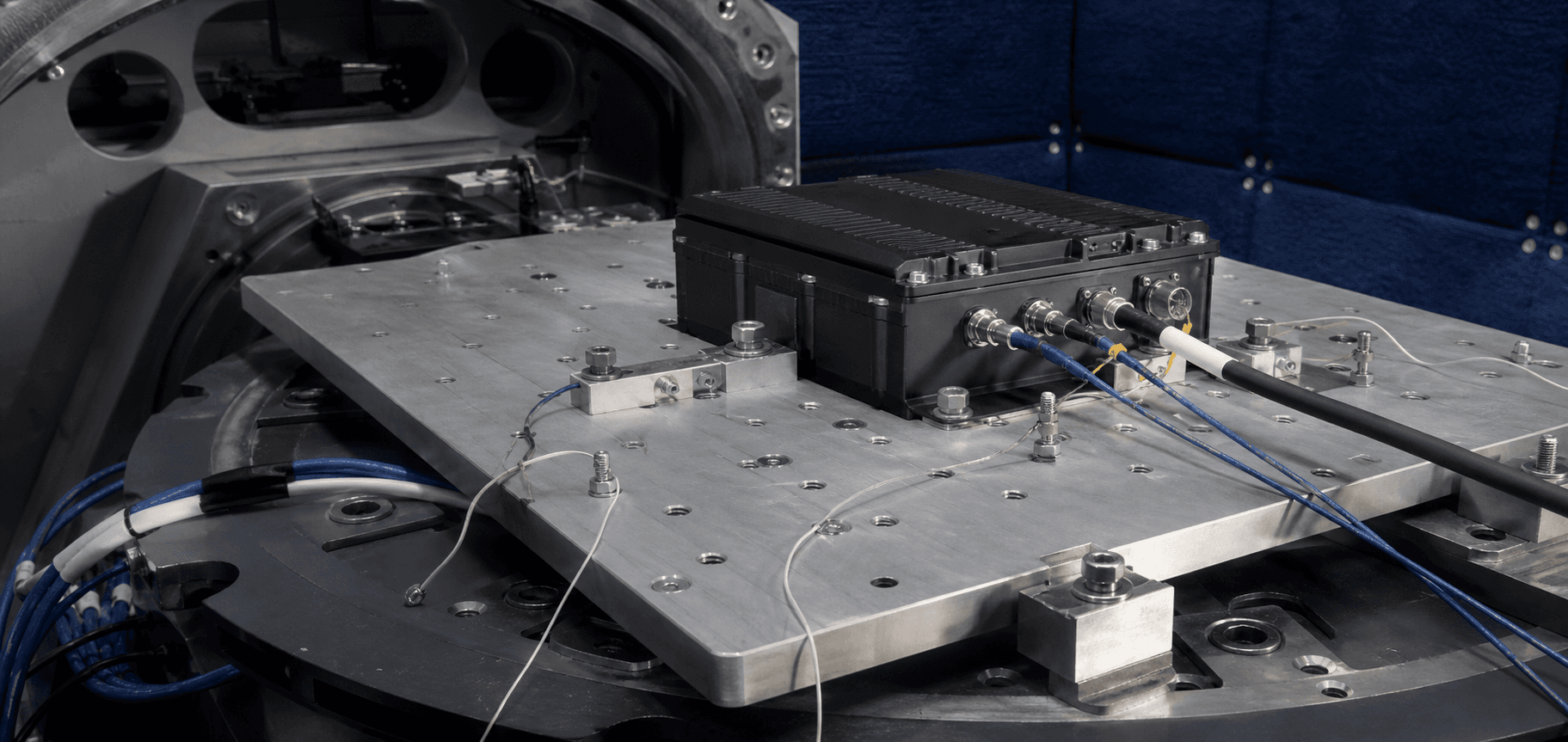
The constraints
Six constraint classes that define the problem
The constraints are described generically. No platform, program, or customer is implied. Each one points to the disciplines and methods that address it.
01 · System boundary
The system that exists sets the terms
Integration begins by making the boundary explicit: which components are fixed, which interfaces are governed, which behavior is contractual, and where new capability is allowed to change the system. An unstated boundary is discovered later as rework.
02 · Hardware and real time
Compute, memory, power, and timing are budgets
Embedded processors, real-time deadlines, and certification-sensitive hardware turn design freedom into budget management. Capability that assumed a server must be re-engineered for the resources the platform actually has.
03 · Interfaces and data
Interfaces and data contracts carry the risk
Message formats, buses, data models, and undocumented behavior at interfaces are where integration risk concentrates. Defining contracts, and testing conformance against them, converts assumption into evidence.
04 · Security boundaries
Classified and security boundaries shape the design
Cryptographic requirements, cross-domain rules, and authorization obligations constrain architecture, test, and deployment. ExistX describes classified-environment work only in approved, generic terms. The constraint is engineering reality either way.
05 · Verification and test
The test infrastructure is part of the system
If a behavior cannot be exercised (in simulation, software-in-the-loop, hardware-in-the-loop, or a representative environment), it cannot be evidenced. Integration planning includes building the environments that generate the evidence.
06 · Deployment and sustainment
Integration is not finished at first fielding
Configuration, provenance, upgrade paths, obsolescence, and maintenance access decide whether the integrated capability survives contact with the lifecycle. Sustainment constraints belong in the first architecture discussion.
Relevant capabilities
How ExistX addresses constrained integration
- Systems Engineering & IntegrationOwns the boundary work: architecture, interfaces, embedded systems, hardware-software integration, and test and evaluation.
- Digital and Model-Based EngineeringExposes integration problems in models, simulation, and virtual integration before physical integration makes them expensive.
- Modular Open Systems ApproachStabilizes the boundaries so components can be integrated, replaced, and upgraded without breaking the baseline.
- High-Assurance Software-Enabled Mission SystemsThe combined delivery category this integration work produces when the four disciplines operate as one system.
Evidence
Evidence before commitment
Next step
Bring the boundary, not the secrets
A productive first discussion needs only the shape of the system: the fixed constraints, the governed interfaces, and the evidence your authority will require.
Do not include classified, controlled, proprietary, export-controlled, or customer-sensitive information in any message sent through this site.