Sector · Aerospace
Platform integration is a lifecycle responsibility.
Aerospace capability must fit platform interfaces, embedded and real-time constraints, cryptographic and cyber boundaries, assurance evidence, test environments, configuration, and sustainment. The engineering below applies across platform classes.
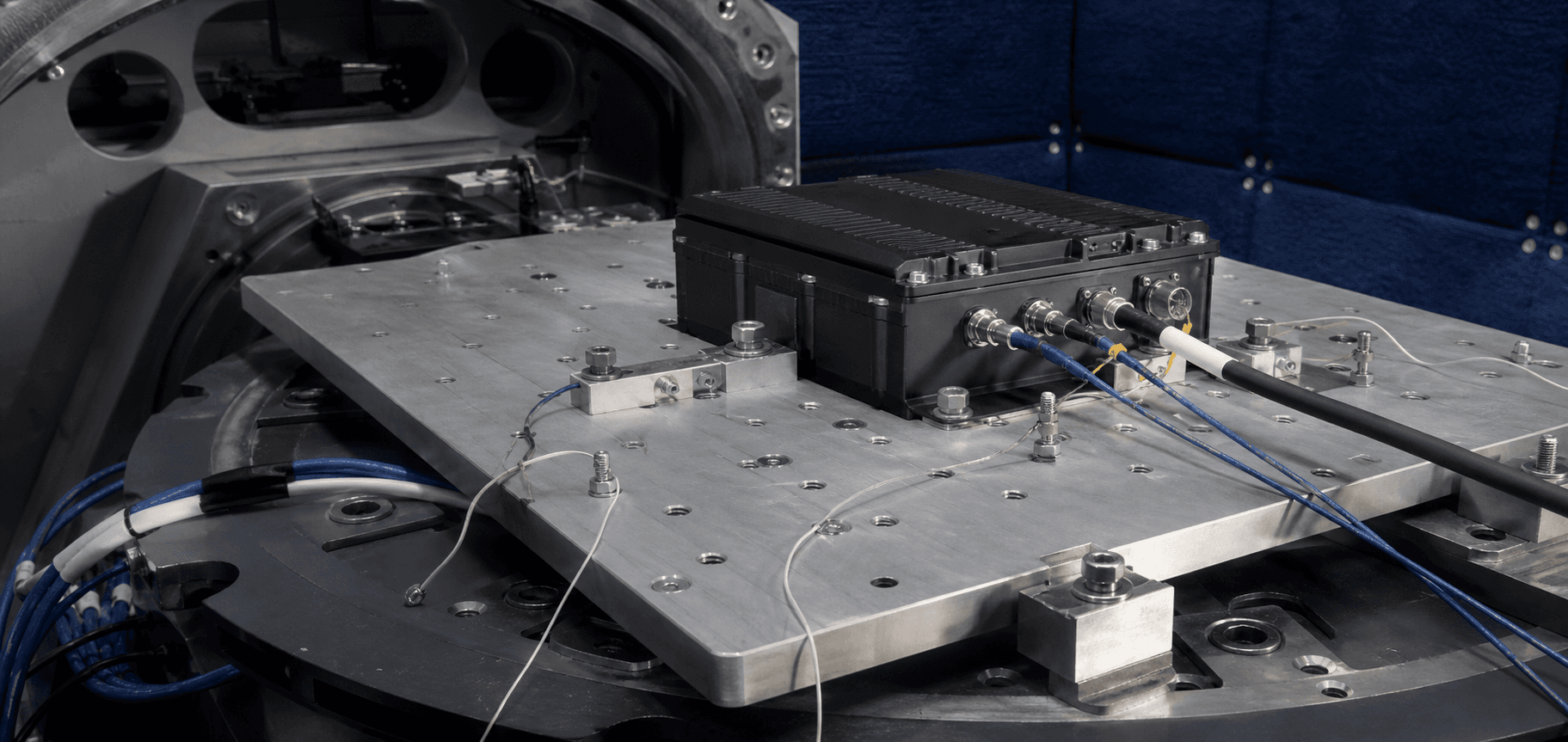
The aerospace constraint set
The platform lifecycle sets the terms
Embedded resources, real-time behavior, safety and assurance regimes, configuration control, and service lives measured in decades all govern the same software.
- Embedded processors, memory, power, and thermal budgets
- Hard real-time behavior and worst-case timing evidence
- Safety and assurance regimes with their own evidence formats
- Configuration control across long-lived, versioned fleets
- Interface stability across platform variants and upgrades
- Obsolescence management over decade-scale service lives
Disciplines
Where each discipline carries aerospace weight
Discipline
Systems Engineering & Integration
Boundary and interface engineering against platform classes; model-based systems engineering, simulation, and hardware-in-the-loop as an evidence ladder before physical integration. Systems Engineering & Integration in depth.
Discipline
Software Engineering & Modernization
Modernizing embedded and mission software without breaking the certified or operational baseline: incremental delivery under configuration control. Software Engineering & Modernization in depth.
Discipline
Cryptographic Engineering
Cryptography inside embedded budgets: implementations engineered for constrained processors, keying that fits the operational concept, and crypto-agility planned across the platform life. Cryptographic Engineering in depth.
Discipline
Cybersecurity Engineering
Cyber resilience for connected platforms and support systems: boundaries, monitoring, and evidence engineered against the platform threat model and authorization regime. Cybersecurity Engineering in depth.
Methods and authority
Open architectures and assurance support
MOSA governs interface stability and technology insertion across platform variants; risk-based assurance produces evidence for the responsible safety, airworthiness, and certification authorities. Those authorities retain their decision roles.
- Modular Open Systems ApproachInterface stability, conformance, and insertion across platform variants and fleets.
- Digital and Model-Based EngineeringThe model-to-simulation-to-hardware-in-the-loop evidence ladder used before and during physical integration.
- Risk-Based Technical AssuranceEvidence proportionate to consequence, packaged for the authorities who decide.
Work and evidence
Evidence in aerospace context
Next step
Request a technical discussion
Bring the platform class, lifecycle phase, and the constraint that hurts: timing, assurance, obsolescence, or integration. The first discussion needs nothing sensitive.
Do not include classified, controlled, proprietary, export-controlled, or customer-sensitive information in any message sent through this site.