Sector · Defense
Mission relevance is established at the technical and operational boundary.
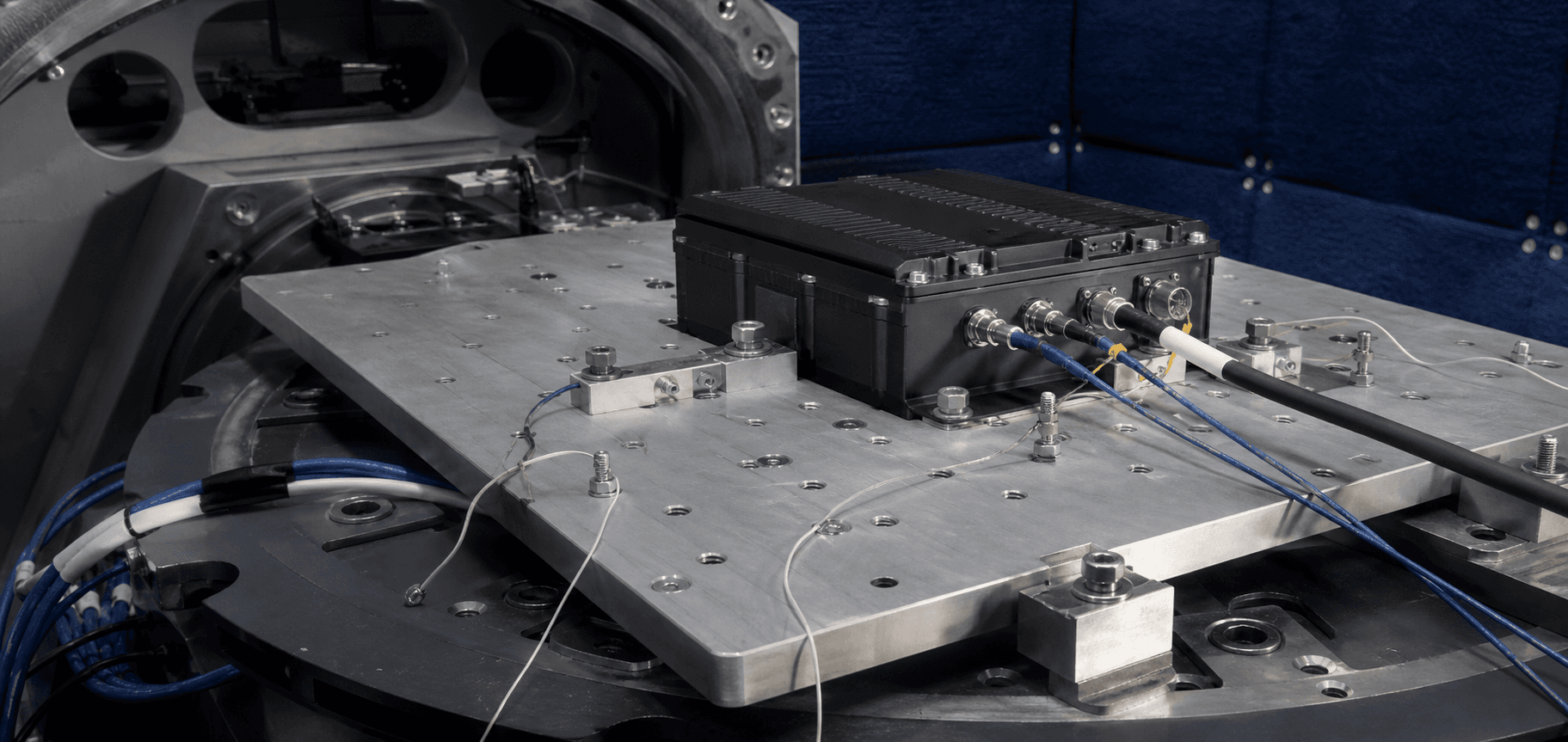
Defense capability must survive mission integration, cryptographic and cyber boundaries, software modernization, system test, deployment, and sustainment constraints, not only demonstration. This is how the four disciplines apply under defense constraints.
The defense problem
Demonstration is the easy milestone
Defense programs often stall where research meets the operational environment: classified boundaries, approval-gated deployment, contested networks, legacy baselines, and sustainment obligations that outlive the technology cycle.
- Classified and security boundaries that reshape architecture and test
- Approval-gated deployment and authorization evidence obligations
- Legacy mission baselines that must keep operating through change
- Contested cyber and electromagnetic environments
- Decade-scale sustainment, obsolescence, and data-rights pressure
Descriptions of work on this site do not imply Government endorsement.
Disciplines in defense context
The same four disciplines, under defense constraints
Each discipline meets a different defense pressure.
Discipline
Cryptographic Engineering
Defense systems carry cryptographic obligations most sectors never see: controlled algorithms and keying infrastructures, embedded constraints on tactical platforms, and transition mandates that arrive on Government schedules. Crypto-agility is a program requirement, not a preference.
Cryptographic Engineering in depthDiscipline
Cybersecurity Engineering
The threat model is contested by design. Cyber resilience must be engineered against capable adversaries, authorization obligations, and mission consequence, with evidence packaged for Government authorizing officials, whose decision authority stays where it belongs.
Cybersecurity Engineering in depthDiscipline
Software Engineering & Modernization
Decades-old mission software runs missions today. Modernization must preserve the operational baseline, fit approval-gated deployment environments, and deliver incrementally. A rewrite that pauses the mission is not an option.
Software Engineering & Modernization in depthDiscipline
Systems Engineering & Integration
Defense integration means constrained platforms, governed interfaces, test ranges and laboratories, and lifecycles measured in decades. Boundaries and evidence are what make new capability insertable.
Systems Engineering & Integration in depthMethods in defense context
Engineering methods for defense acquisition and sustainment
MOSA supports technology insertion and vendor competition; digital engineering builds decision evidence before physical test; risk-based assurance supports authorization; and sustainment belongs in the architecture from the beginning.
- Modular Open Systems ApproachStable boundaries, conformance evidence, and rights planning behind technology insertion.
- Risk-Based Technical AssuranceEvidence proportionate to mission consequence, packaged for the authorities who decide.
- Galois-to-ExistX Research PipelineWhere the research starting point comes from, with attribution kept straight.
- High-Assurance Software-Enabled Mission SystemsThe combined mission-system outcome produced by the four disciplines.
Work and evidence
Evidence in defense context
Next step
Discuss a mission requirement
Start with the mission problem and the boundary that constrains it. No classified or program-sensitive detail belongs in a first contact.
Do not include classified, controlled, proprietary, export-controlled, or customer-sensitive information in any message sent through this site.