What We Deliver
The delivered system is more than the software.
ExistX combines four engineering disciplines and cross-cutting methods to produce high-assurance software-enabled mission systems and the artifacts required to integrate, verify, sustain, and modernize them.
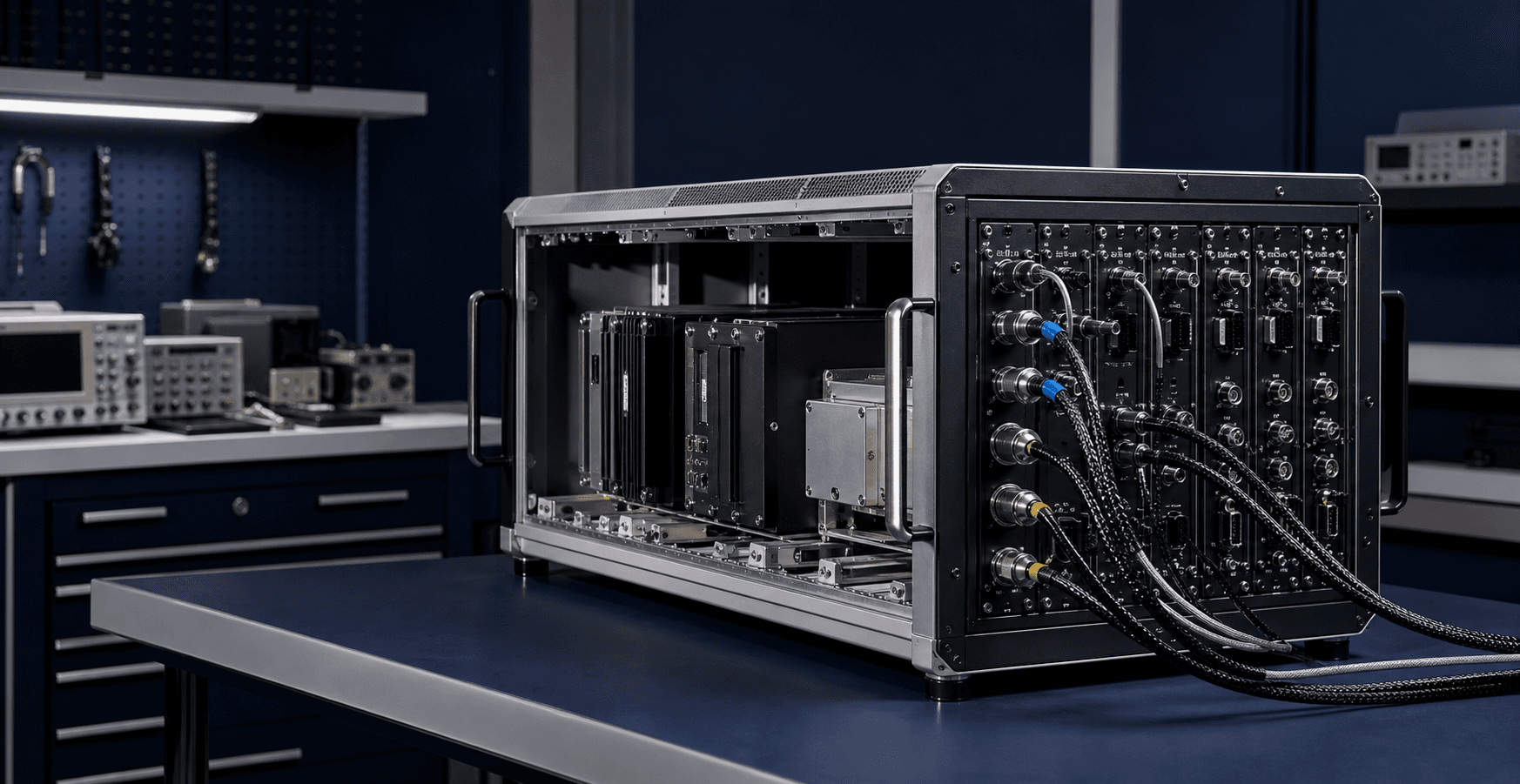
Central outcome
High-Assurance Software-Enabled Mission Systems
The combined delivery category produced when the four disciplines work as one system. It is a system outcome — not a fifth discipline, a certification, or proof of deployment. The combined outcome includes the system, its engineering baseline, and the evidence needed to integrate and sustain it.
Three layers
System, engineering, and assurance deliverables
System deliverables are what the mission operates. Engineering deliverables make the system buildable and testable. Assurance and sustainment deliverables make it trustworthy and maintainable.
System deliverables
- Modernized mission software
- Secure embedded systems
- Crypto-agile platforms
- Modular mission-system architectures
- Integrated hardware-software prototypes
- Interoperable system components
- Software-defined mission capabilities
- Upgradeable legacy platforms
- Cyber-resilient system baselines
Engineering deliverables
- System and software architectures
- Digital models and digital threads
- Open interface specifications
- Software APIs and component contracts
- Integration environments
- Modeling and simulation environments
- Automated test infrastructure
- Hardware-in-the-loop environments
- Technology and integration maturity evidence
Assurance and sustainment deliverables
- Verification and validation evidence
- Cybersecurity evidence packages
- Certification-ready baselines, only when bounded and approved
- Technical-data packages
- Configuration and provenance records
- Lifecycle sustainment strategies
- Modernization roadmaps
- Obsolescence and vendor-lock mitigation plans
Terms such as certification-ready, secure, interoperable, and Government-controlled are used with a named scope and supporting evidence.
Evidence states
Every published example carries its state
Published examples distinguish deployed, demonstrated, in-development, planned, and conceptual work.
- Deployed
- Demonstrated
- In Active Development
- Planned
- Conceptual
Provenance
Where deliverables come from
The four disciplines produce deliverables through the How We Work methods, with technical decisions connected to the evidence that supports them.
- Cryptographic EngineeringConnects algorithm and key-management decisions to implementation, assurance, agility, embedded constraints, and lifecycle transition.
- Cybersecurity EngineeringIntegrates threat, architecture, software, components, evidence, and lifecycle decisions within a defined system boundary.
- Software Engineering & ModernizationMission-software and lifecycle engineering: architecture, modernization, DevSecOps, automated testing, assurance, migration, and incremental delivery.
- Systems Engineering & IntegrationConnects mission needs to architecture, embedded systems, interfaces, digital models, hardware-software integration, test, and lifecycle decisions.
- How We WorkThe methods that carry a deliverable from architecture through integration, assurance, and sustainment.
- Work and evidenceRecords stating what was done, by whom, in which environment, with what result and limitations.
Next step
Explore the mission-system outcome
See how the four disciplines combine, or start a conversation about the system, artifact, or evidence your mission requires.
Do not include classified, controlled, proprietary, export-controlled, or customer-sensitive information in any message sent through this site.